
Off-Grid Living in San Diego County: What to Know Before You Buy Land With a Well, Septic and Solar
Twenty minutes from the city, you can own acreage with solar, a well and septic. What buyers need to know about financing, inspections, fire risk and insurance for rural San Diego property.
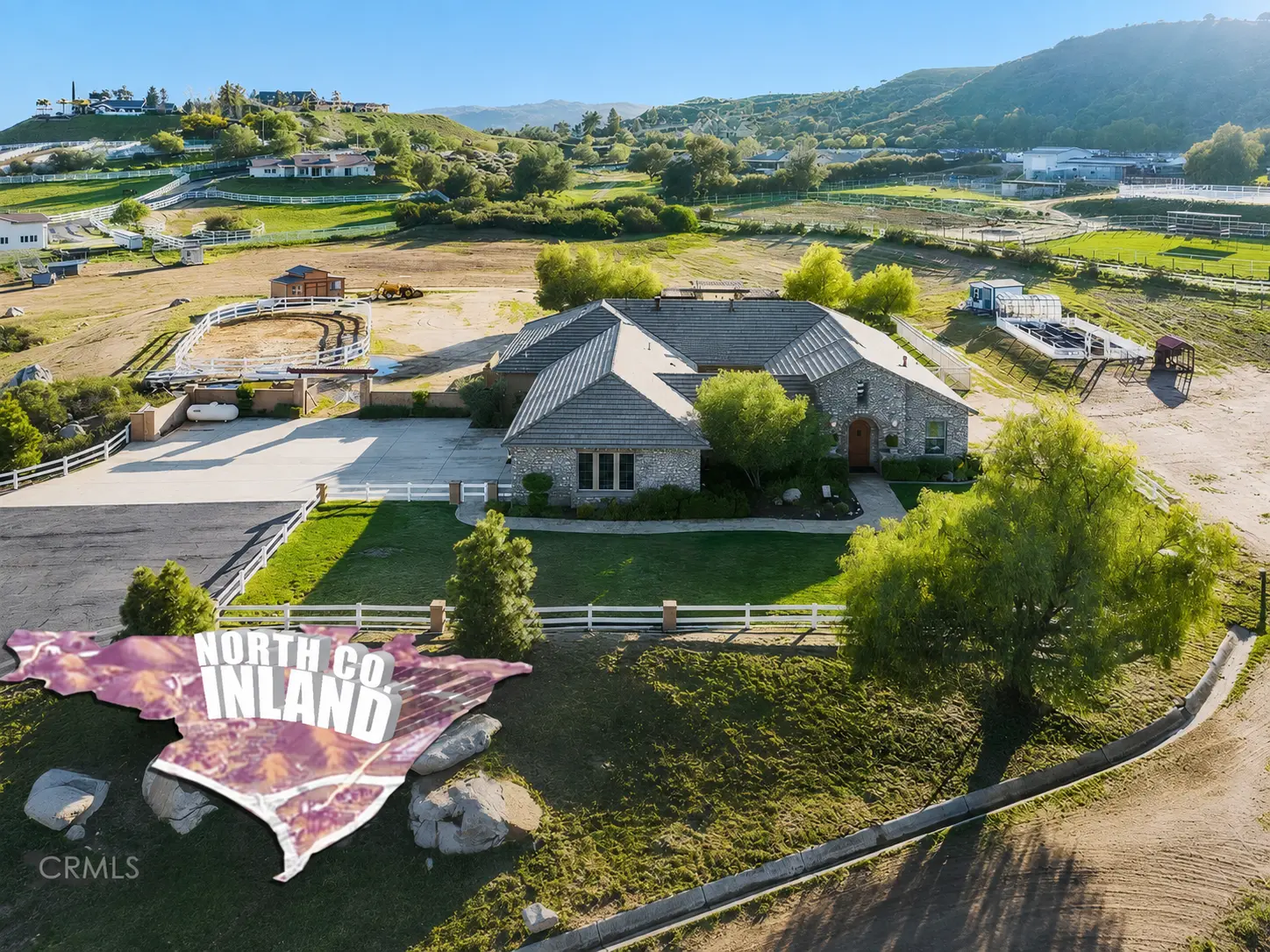
One of the lesser-known truths about San Diego County is how quickly everything can change.
Twenty minutes from the heart of the city, you can be standing in open chaparral, surrounded by quiet and space, with views that stretch from the mountains to the coast.
We recently featured a property that captures it perfectly: ten acres, two stories, multiple bedrooms and a garage, powered by solar, supplied by a well, heated with propane and served by septic. Wildlife wanders nearby, and there's open land to do whatever you want with.
Off-grid living isn't some far-off dream you have to leave California for. It's right here.
But buying rural property isn't like buying a house in a subdivision. Here's what to know first.
1. Financing works differently
Many conventional loan programs have limits on acreage, rural location and property type. Some things that can complicate financing:
- Large acreage relative to the home's value
- Unusual construction, or unpermitted structures
- Off-grid utilities, since some lenders have specific requirements for water and power
- Limited comparable sales, which makes appraisals harder
Talk to a lender experienced with rural property before you write an offer. Depending on the property, options may include certain conventional, portfolio or specialized rural loan programs.
2. Inspect the well
Your well is your water supply. At minimum, consider:
- A well flow or yield test to see how much water it produces
- Water quality testing for bacteria, minerals and contaminants
- Inspection of the pump, pressure tank and equipment
- Any available well logs or records
3. Inspect the septic system
A failing septic system can be very expensive to fix. Get a septic inspection, which may include pumping the tank. Ask for records of past pumping and repairs, and confirm the system's size matches the number of bedrooms.
4. Understand the solar and power setup
- Is the solar system owned or leased?
- Is there battery storage, and how old is it?
- Is there a backup generator?
- How does the system perform in winter and during long cloudy stretches?
5. Plan for fire risk and insurance
Much of San Diego's backcountry is in high fire-hazard areas. Before you commit:
- Get insurance quotes early. Some rural homes may only be insurable through the California FAIR Plan plus a supplemental policy, which affects your monthly cost.
- Look at defensible space, vegetation and road access for emergency vehicles.
- Have an evacuation plan. Rural roads can bottleneck.
6. Check access, zoning and easements
- Is there legal, year-round access to the property?
- Are there easements for utilities, neighbors or roads?
- What does zoning allow, such as animals, ADUs, outbuildings or agriculture?
- Are all existing structures permitted?
Why people love it
With all that said, the payoff is real: space, privacy, quiet, self-sufficiency and freedom you can't find in the city, while still being close enough to enjoy the San Diego lifestyle.
This is the contrast that makes San Diego County special: city energy in one direction, raw freedom in the other.
Is land or off-grid living on your 2026 horizon? Let us know. The GreenHouse Group is always happy to show you what's possible and help with the financing.
Educational purposes only. The GreenHouse Group Inc. (CA DRE #01859042 | NMLS #366847). Loan programs are subject to eligibility, property requirements and change. This is not individualized lending, legal or insurance advice.